Tree Planting Tips for North Texas: Late Fall/Winter 2025 Guide
Discover essential tree planting tips north texas to master the art of growing healthy trees in your landscape. As late fall and winter 2025 approach, understanding the region’s soil and climate helps ensure lasting results. Whether you are a new gardener or a seasoned expert, learning the right timing and care methods will transform your outdoor space beautifully. With preparation and patience, your trees will become lasting symbols of growth and sustainability.
Planting trees goes beyond beautifying your property. It’s an investment that benefits both your home and the environment. Success depends not only on choosing suitable species but also on understanding how to nurture them effectively. Following reliable tree planting tips north texas ensures your landscape flourishes season after season.
Choosing the Right Tree for Coppell and Beyond
In North Texas towns like Coppell, where summers are hot and winters mild, proper tree selection is vital. Native and adapted trees thrive with less effort once established. Oaks are outstanding due to their deep roots and resilience against strong winds. Redbuds, elms, and pecans also provide charm and shade throughout the seasons.
- Local Adaptation: Choose species such as Live Oak, Cedar Elm, or Texas Redbud that naturally fit local conditions and are considered among the best trees for coppell.
- Space and Purpose: Consider your yard’s size, light, and whether you desire shade, fruit, or ornamental appeal.
- Long-Term Vision: Match each tree’s growth habit to your space for lasting harmony in your garden.
Proper selection is the foundation of all tree planting tips north texas guides, helping trees adapt quickly and stay healthy in changing weather.
When and How to Plant Trees for Optimal Growth
The best planting season dfw occurs from late fall through winter. Cooler weather lowers stress and promotes root growth before summer heat arrives. Daytime temperatures often range from 40°F to 60°F, creating ideal soil conditions.
- Site Preparation: Evaluate sunlight, drainage, and soil texture. North Texas soils often contain clay, so mix in compost for better aeration and balance the pH between 6.0 and 7.0.
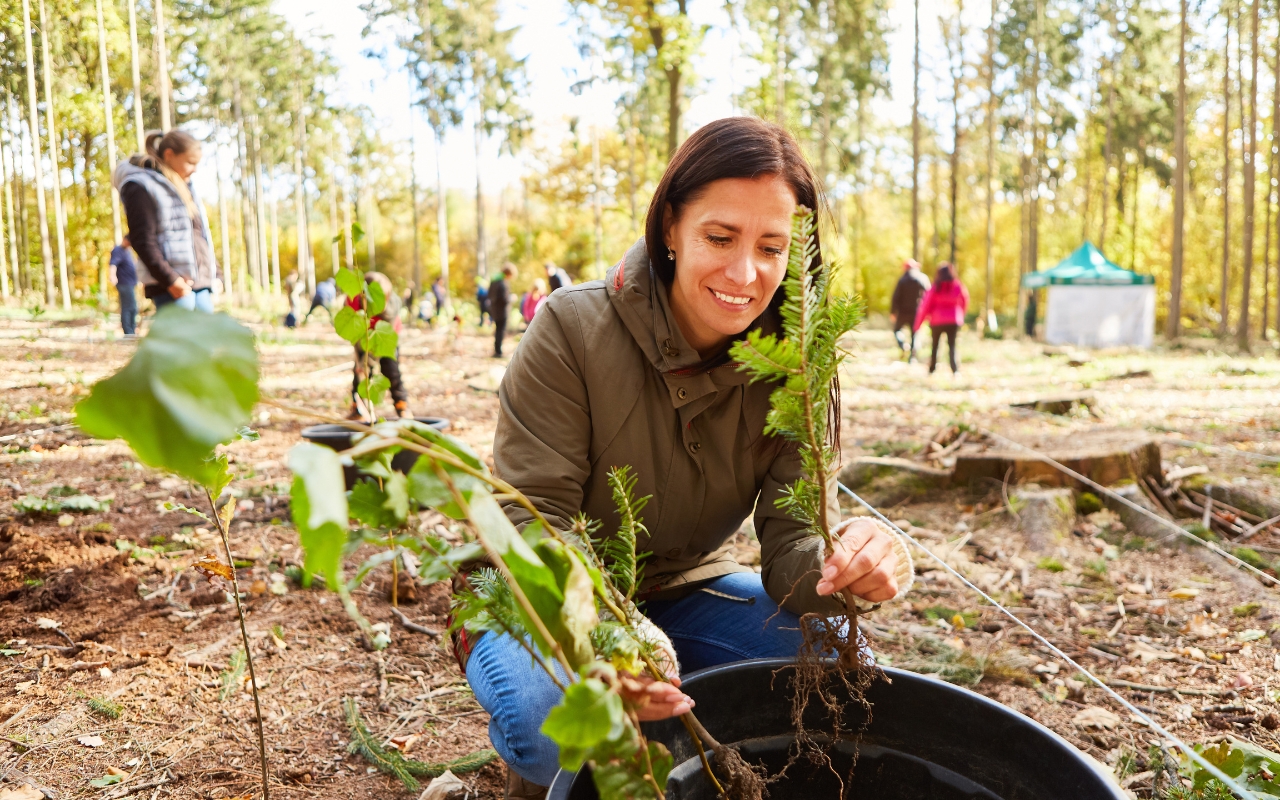
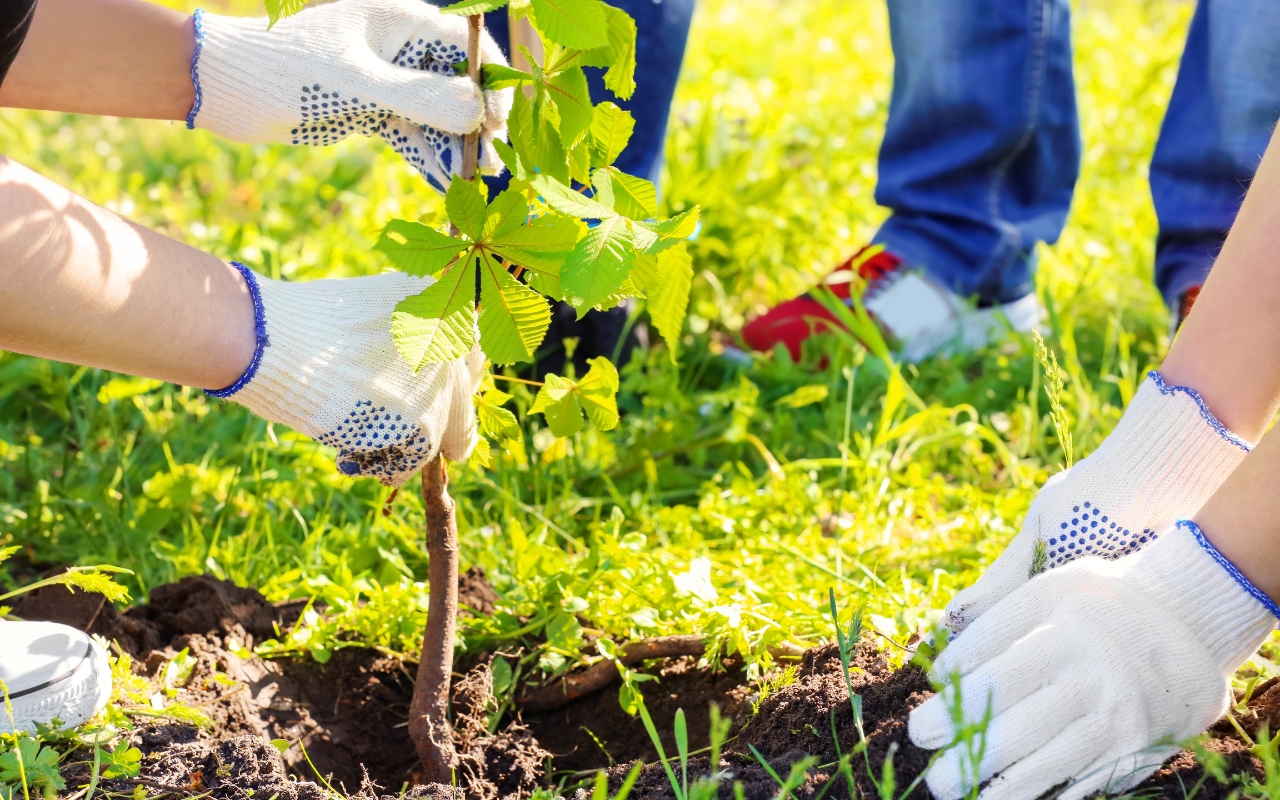
- Digging the Hole: Make it twice as wide as the root ball depth but not deeper to support horizontal root growth.
- Root Ball Placement: Keep the top slightly above the soil to allow settling.
- Backfilling and Watering: Fill with native soil and water deeply to remove air pockets.
- Mulching: Add organic mulch 2 inches from the trunk to retain moisture and prevent rot.
Following these tree planting tips north texas steps helps you achieve strong, thriving trees suited to regional weather.
Initial Care and Maintenance
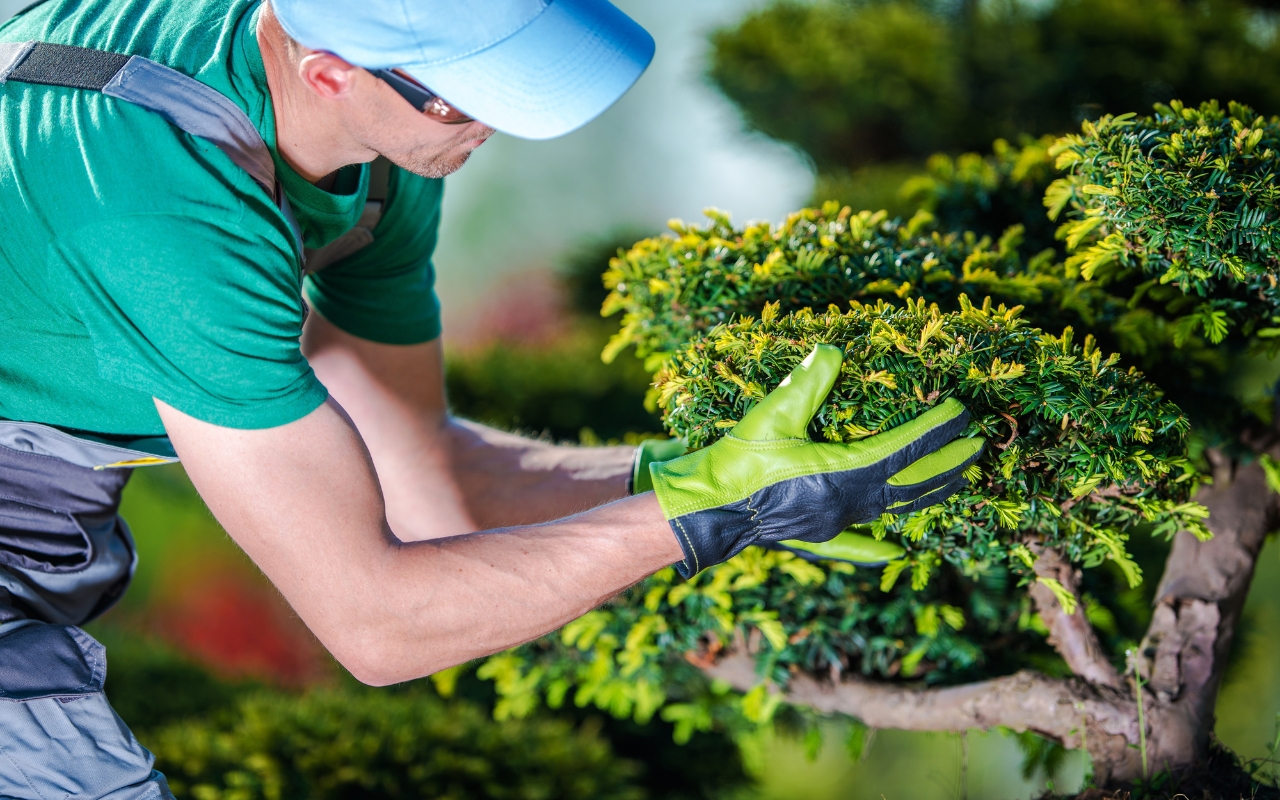
Consistent watering after planting helps roots establish well. Deeply soak the area until water drains from the edges. Continue watering weekly, adjusting to rainfall. Slow, deep watering methods like drip irrigation encourage strong root growth.
For taller trees or windy locations, secure them with flexible stakes that allow gentle movement. Renew mulch yearly to maintain moisture and enhance soil health. Remember, regular monitoring is essential in applying tree planting tips north texas effectively for sustained growth.
FAQs About Tree Planting in North Texas
When is the best time to plant trees in North Texas?
Late fall through winter offers the most favorable conditions for planting, allowing roots to grow before hot summers arrive.
How can I prepare the soil for tree planting?
Test the soil pH, add compost to improve structure, and ensure proper drainage. This preparation supports long-term tree health.
Should I fertilize right after planting?
No, avoid fertilizing immediately. Focus on deep watering and soil stability first. Fertilization can begin after the first growing season.
What trees grow best in the DFW area?
Native trees such as oaks, elms, and redbuds perform exceptionally well. They adapt quickly to local soils and weather conditions.
Where can I get professional help for tree planting?
You can easily contact local tree care experts for guidance, ensuring every step meets regional standards and sustainability goals.
Seasonal Protection and Ongoing Health
Young trees face challenges from winter freezes, spring winds, and summer droughts. Protect trunks with breathable wraps during cold spells. Use frost cloths for smaller trees if temperatures drop unexpectedly. Gentle staking also prevents wind damage without limiting growth.
- Inspect branches regularly and prune only broken or crossing ones.
- After two years, shape trees lightly to improve airflow and structure.
- Watch for pests, discoloration, or poor drainage as early warning signs.
Keeping a simple care log supports your tree planting tips north texas strategy and helps track watering, pruning, and growth progress over time.
Nurturing Trees for a Greener Tomorrow
Combining proper timing, preparation, and care allows North Texas homeowners to grow resilient trees. From understanding soil composition to choosing native varieties, every action builds a healthier environment. Applying consistent tree planting tips north texas ensures your yard becomes a sanctuary of life and shade.
Planting trees benefits the community by improving air quality, reducing heat, and supporting local wildlife. If you’re ready to begin, contact a trusted tree expert today. Take pride in creating a greener, more vibrant North Texas for generations ahead.