Tree Removal Techniques Explained: What Pros Use in North Texas
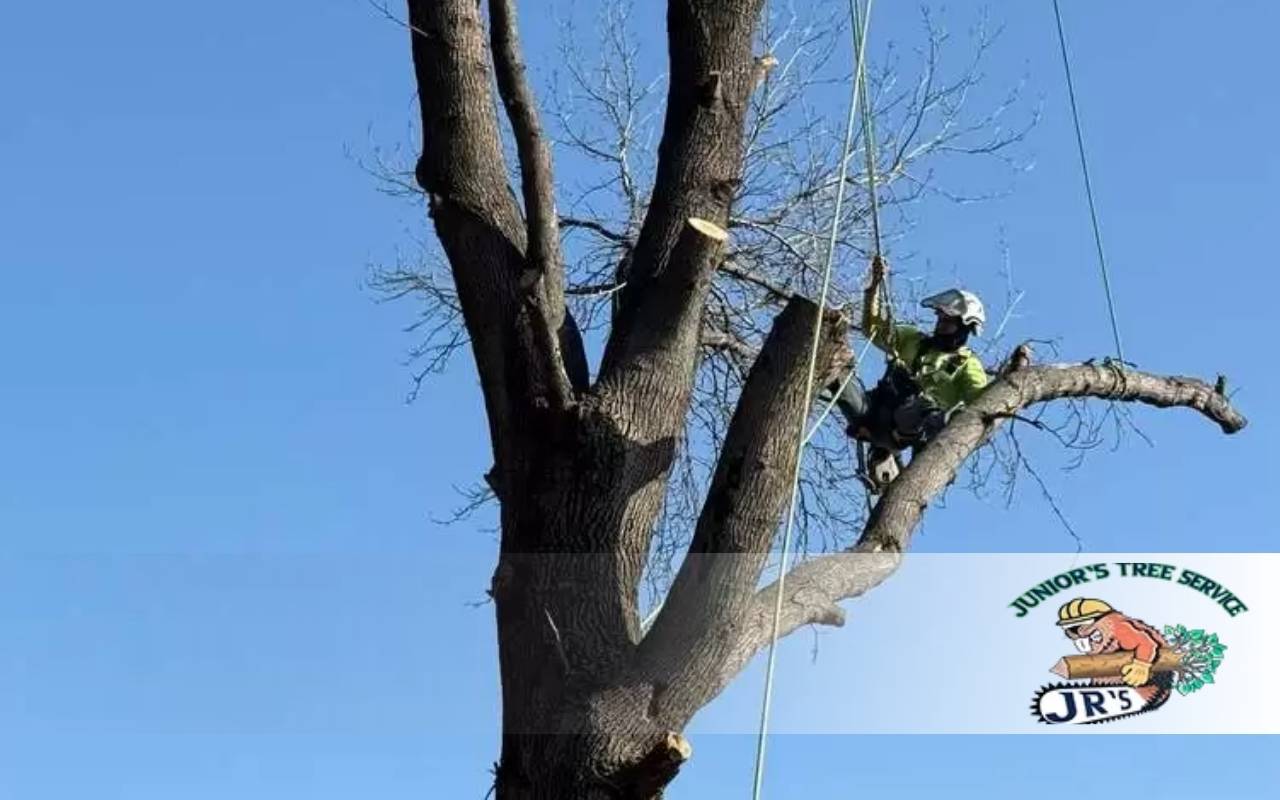
Every majestic tree once stood as a symbol of strength and beauty. However, when it becomes a hazard, removal becomes vital. Understanding tree removal techniques explained helps protect people, property, and the environment. In North Texas, professionals use precise methods like crane removal, sectional felling, and rigging. Each method ensures minimal disruption while maintaining safety and care for the surroundings.
The Importance of Proper Tree Removal Planning
Planning is the foundation of any safe removal. Before cutting begins, arborists evaluate height, lean, and nearby structures. Consequently, they ensure the tree falls safely away from hazards. A thorough assessment prevents damage and improves efficiency.
Key planning steps include:
- Measuring the height and weight of the tree.
- Identifying nearby obstacles and safe zones.
- Planning the fall direction based on conditions.
- Establishing worker escape routes for safety.
For expert help in your area, visit our Lewisville tree removal page to connect with professionals who plan effectively and safely.
Using the Right Equipment and Tools
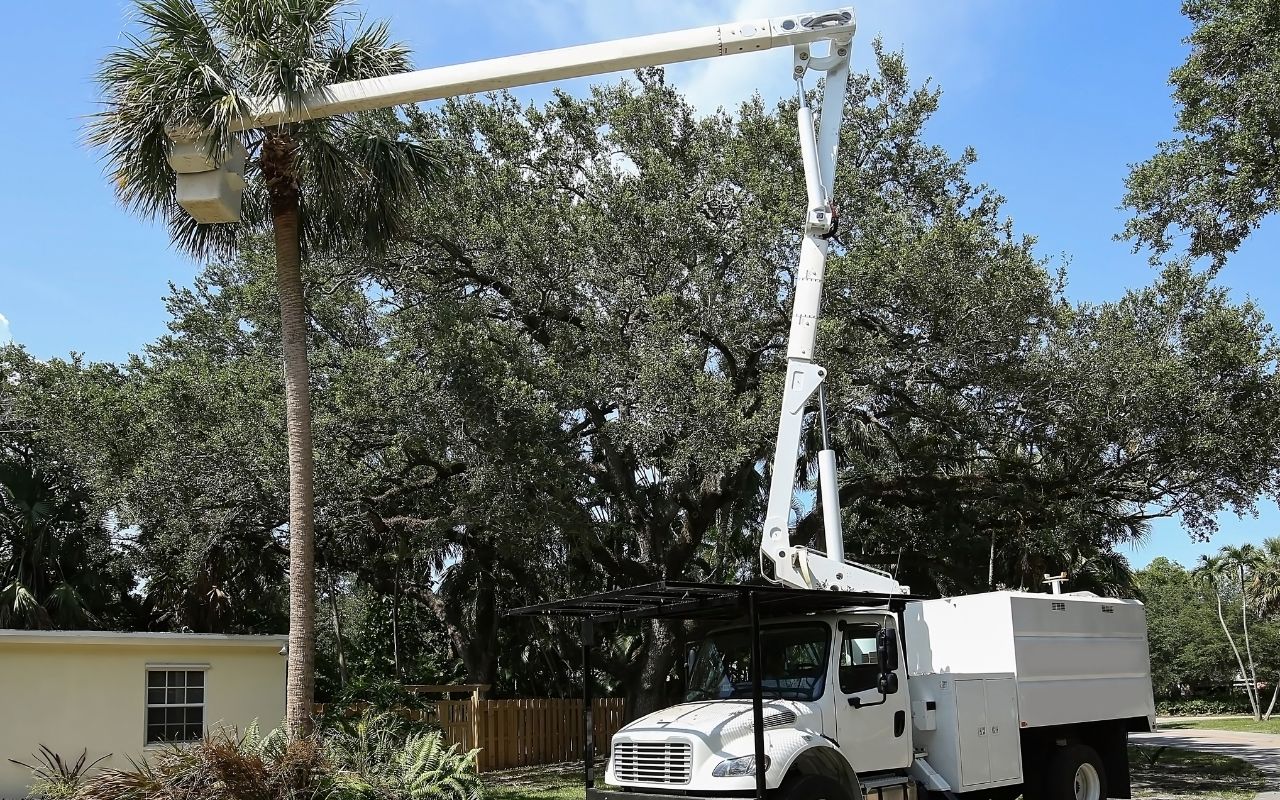
Using the correct equipment ensures precision and safety. Chainsaws, ropes, and wedges are essential tools for efficient removal. Proper maintenance reduces accidents and improves performance. Protective gear, including helmets and gloves, is mandatory on every site.
Best practices include:
- Using sharp chainsaws for smooth and controlled cuts.
- Wearing safety gear to protect against falling debris.
- Inspecting equipment regularly for wear or damage.
To learn about professional-grade tools, explore our tree care services page for detailed insights into professional techniques and tools.
Crane Tree Removal: Lifting Safety to New Heights
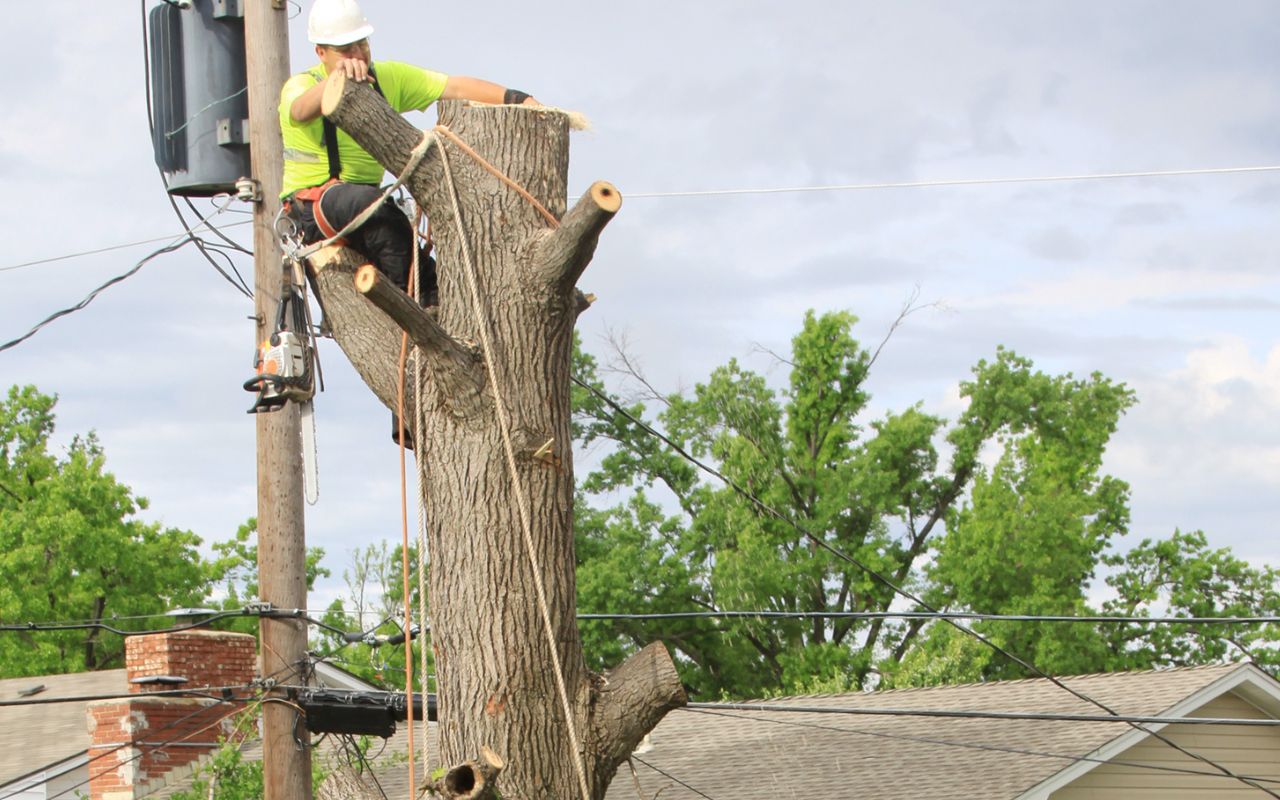
When space is limited or trees stand near buildings, crane-assisted removal ensures precision. Crews secure sections with rigging slings, then lift and lower them safely. Communication through radios keeps everyone synchronized. Mats under cranes protect lawns and driveways during operation.
Professionals following tree removal techniques explained guarantee controlled, stable dismantling even in tight spaces. Afterward, stumps can be ground or left based on the property owner’s preference.
Sectional Felling: Precision in Confined Areas
In urban or crowded spaces, sectional felling is a top choice. Instead of one large fall, arborists cut and lower pieces gradually. This method protects nearby structures and reduces cleanup time. Careful coordination and planning ensure each section lands safely and accurately.
Rigging Methods: Controlled Lowering for Safety
Rigging systems use ropes and pulleys to lower heavy branches safely. This prevents uncontrolled falls and property damage. Proper anchor placement allows for smooth control throughout the process. As a result, the environment and workers remain secure.
Using tree removal techniques explained through rigging methods promotes efficient, safe, and environmentally responsible work.
Removing Large Trees Safely
Removing large trees demands extra caution and skill. Professionals begin by trimming smaller branches before cutting main limbs. Each section is lowered in stages to avoid accidents. For massive trees, hiring a professional service is always recommended.
- Trim small branches first to reduce weight.
- Cut larger limbs once the tree is balanced.
- Use cranes for heavy or unstable sections.
For help with large removals, contact our contact page to reach expert arborists who ensure safety every step of the way.
Stump Removal and Site Cleanup
After removal, the remaining stump must be cleared. Stump grinding reduces tripping hazards and prepares the ground for landscaping. Professionals protect nearby plants and structures while ensuring a clean finish. The mulch left behind can enrich your soil naturally.
Environmental and Safety Considerations
Responsible removal balances safety and environmental protection. Arborists inspect for wildlife habitats, roots, and soil conditions before starting. They use mats to reduce soil compaction and minimize ecological impact. Safety rules, including PPE and site perimeters, remain non-negotiable throughout the process.
Following tree removal techniques explained ensures both safety and sustainability, protecting ecosystems while maintaining property value.
Common Mistakes to Avoid
Homeowners often make dangerous errors when removing trees themselves. Common mistakes include skipping planning, using dull tools, or cutting near power lines. Attempting removal without training increases the risk of accidents. Always consult professionals before starting.
Cost and Professional Services
Tree removal costs depend on size, location, and complexity. Professionals provide detailed assessments to ensure safety and transparency. Homeowners should always choose certified arborists with experience and proper insurance.
Emergency Tree Removal in North Texas
Storms can cause trees to fall or lean dangerously. Emergency removal teams operate around the clock to handle these situations safely. They use cranes and rigging systems to clear hazards quickly and restore safety.
FAQs About Tree Removal
Why is professional planning important in tree removal?
Proper planning prevents damage and ensures safety for people and property. It helps predict how the tree will fall and reduces risks.
Can homeowners perform tree removal safely?
Small trees may be manageable, but larger ones require professionals. Experts use specialized tools and techniques to ensure safe removal.
How do arborists handle trees near power lines?
Arborists use insulated tools and cranes to avoid electrical hazards. Only certified experts should perform such removals.
What happens to the stump after removal?
Stumps are usually ground below soil level. The area can then be replanted or landscaped for new growth opportunities.
Why are rigging methods considered safe?
Rigging controls each section’s descent, preventing sudden drops. This method protects nearby property and improves overall site safety.
Balancing Safety, Efficiency, and Preservation
Effective removal blends skill, care, and responsibility. Professionals following tree removal techniques explained protect property while preserving nature’s beauty. Whether you face an emergency or plan a large project, always trust certified arborists. For expert help, reach out through our contact page and let our specialists ensure a safe and clean removal process.