Best Sod for Shade in Coppell, TX: Bermuda vs. St. Augustine
Finding the best sod for shade coppell tx can feel like navigating a maze of green choices. With so many options available, it’s hard to choose the right shade-tolerant grass for your yard. Whether your lawn sits under tall trees or enjoys limited sunlight, selecting the ideal sod ensures a vibrant, lush result. In this guide, we’ll explore Bermuda and St. Augustine—two leading contenders—and help you decide which one best suits your shaded landscape.
Understanding Shade Requirements for Sod Selection
Choosing the best sod for shade coppell tx starts with understanding how sunlight moves across your property. Some lawns receive only dappled morning light, while others stay shaded most of the day. Mapping these patterns helps you identify which grass type will thrive best.
Also, consider how tree roots and moisture affect growth. Large oaks and elms draw water away from the soil, while deep shade traps humidity. Balancing both light and moisture is essential for sod success. When you pair shade tolerance with proper care, you can maintain strong roots and consistent color even under reduced light.
Benefits of Bermuda Sod in Shaded Areas
- Some Bermuda cultivars tolerate partial shade surprisingly well.
- Their stolons and rhizomes fill thin patches quickly.
- They recover fast from foot traffic and heat stress.
These traits make Bermuda an appealing option when sunlight filters through trees. Many homeowners appreciate this resilience when weighing Bermuda against St. Augustine. However, ensuring enough light—at least four hours daily—is key to maintaining healthy turf density.
For more details on sod installation, visit our new sod installation lewisville tx page.
Drawbacks of Bermuda Sod in Shady Environments
Despite its strengths, Bermuda grass struggles when sunlight drops below four hours a day. Thin patches and pale growth become common, leaving room for weeds. In deep shade, photosynthesis slows dramatically, reducing turf vigor. These challenges make St. Augustine a more suitable option for shaded lawns seeking the best sod for shade coppell tx results.
Moreover, limited airflow and excess moisture often lead to fungal issues like brown patch. Managing these problems may require frequent treatments, increasing maintenance time and cost. For heavily shaded areas, other grass types outperform Bermuda’s resilience.
Suitability of St. Augustine Sod for Shade
St. Augustine excels where Bermuda falters. Its broad leaves capture soft, filtered light, enabling it to thrive under partial shade. With a strong stolon growth pattern, it quickly forms a dense, lush carpet perfect for shaded yards across Coppell.
This grass also conserves water well under cooler, shaded conditions. Once established, it requires less irrigation than sun-loving species. St. Augustine’s combination of adaptability, color, and low maintenance makes it a popular choice among homeowners aiming for sustainable lawns.
Thriving Conditions for St. Augustine Grass in Coppell, TX
- Use well-draining soil with compost or organic amendments.
- Maintain a soil pH between 6.0 and 7.5.
- Water deeply during hot months to keep roots strong.
Testing the soil before installation ensures proper nutrient balance. Although Coppell summers can be intense, consistent watering helps this grass stay vibrant. During colder months, overseeding with ryegrass can maintain greenery year-round, extending the beauty of your landscape.
Aesthetics Comparison: Bermuda vs. St. Augustine in Shade
Under partial sunlight, Bermuda’s fine texture looks elegant, yet coverage fades with increased shade. St. Augustine, on the other hand, keeps its dense structure and deep green hue even in lower light. The visual difference between them is striking, and many homeowners prefer the fuller appearance of St. Augustine.
Its thick blades also hide imperfections like leaf litter or uneven patches, maintaining a uniform lawn. Bermuda remains ideal for open, sunny areas, but for shaded sections, St. Augustine delivers superior aesthetics and texture balance. It’s no wonder the best sod for shade coppell tx often refers to this dependable variety.
Maintenance Tips for Shade-Tolerant Sod
Maintaining shade-tolerant grass requires proper irrigation and mowing techniques. Shaded lawns need less frequent watering, as excess moisture can lead to disease. Deep, occasional watering encourages stronger roots, while higher mowing heights help blades absorb more light.
Use sharp mower blades and avoid cutting wet grass. Annual dethatching and aeration also boost oxygen flow and soil health. With these habits, both Bermuda and St. Augustine can stay resilient in partially shaded spaces.
Soil Preparation and Installation Considerations
- Clear debris, old sod, and rocks before installation.
- Till the top 4–6 inches of soil for aeration and mixing.
- Lay sod in a staggered pattern to avoid visible seams.
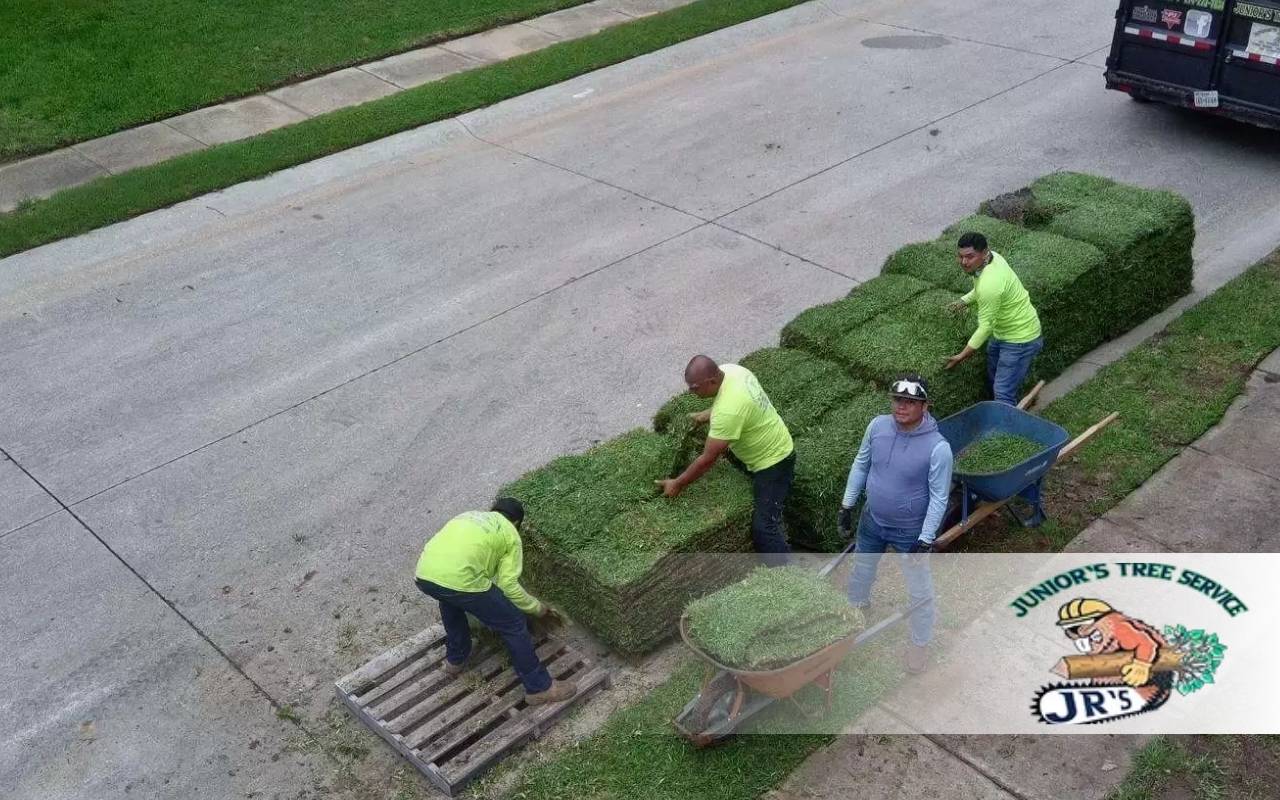
Press sod firmly into the soil to remove air pockets and promote contact. Water right after installation, keeping the top layer moist for two weeks. Gradually reduce watering as roots grow deeper. With these steps, your new turf will adapt quickly to shaded conditions in Coppell.
Learn more about professional lawn services at services.
FAQs About Shade-Tolerant Sod in Coppell, TX
Which grass grows best in shaded areas of Coppell?
St. Augustine is often the best sod for shade coppell tx lawns. It performs well under limited sunlight and stays thick and green.
Can Bermuda grass survive under large trees?
Bermuda can tolerate partial shade but struggles in heavy canopy areas. If your yard receives less than four hours of sunlight, St. Augustine is a better choice.
How often should shaded sod be watered?
Shaded lawns require less water. Deep watering once or twice weekly keeps roots strong without encouraging disease.
When is the best time to install shade-tolerant sod in Coppell?
Spring or early fall are ideal seasons. Temperatures are moderate, and new sod can establish before extreme weather sets in.
Can I install sod myself, or should I hire professionals?
DIY installation is possible, but professional installers ensure proper soil prep and sod placement. Visit our contact page to connect with experts for your next project.
Making the Right Choice for Your Shade-Grown Lawn
Selecting between Bermuda and St. Augustine depends on your yard’s unique light and soil conditions. Bermuda excels in sunny areas but falters in deep shade. St. Augustine provides consistent density and color, thriving where sunlight is scarce. Evaluating your site helps determine the best sod for shade coppell tx homeowners seeking beauty and longevity.
By understanding these grass types and preparing your soil correctly, your lawn will flourish year-round. For expert help or to schedule your next installation, visit the contact page today.