
Build Your Green Lawn: Irrigation Audit Checklist Before Sod in Coppell
Planting a vibrant green lawn is more than laying down sod. Instead, it’s about creating an environment where your grass can thrive. A successful lawn starts with the groundwork, beginning with an irrigation audit.
Many homeowners in Coppell jump into lawn care without checking if their watering system is efficient. As a result, they often see patchy grass, soggy spots, or dry areas that never flourish.
Before installing sod, use an irrigation audit checklist before sod Coppell to confirm your system waters evenly. In addition, a zone coverage test can reveal weak areas, while controller settings help your system run smoothly. With these steps, you’ll support healthy growth from root to blade.
Why an Irrigation Audit Matters Before You Install Sod
Understanding an irrigation audit helps you avoid problems after sod goes down. An irrigation audit checklist before sod Coppell guides you through each part of the system so nothing is missed.
When you plan ahead, you save water, time, and effort. Moreover, systematic checks uncover weak spots, overlaps, and gaps that can stress new turf.
- Spot dry zones before sod is installed
- Reduce runoff and overspray onto hard surfaces
- Improve watering balance across the yard
- Protect roots during early establishment
Run a Zone Coverage Test to Check Even Watering
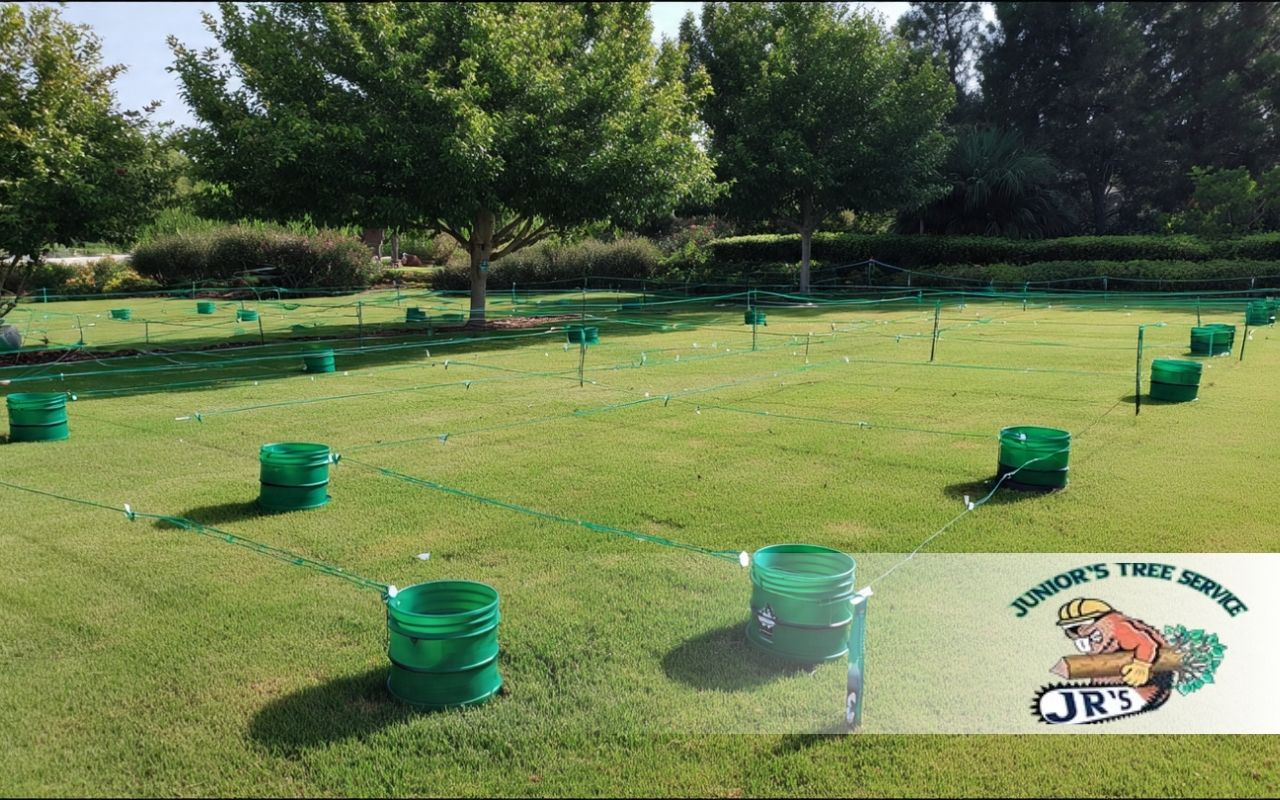
A zone coverage test shows how evenly water spreads across your lawn. To do this, place catch cups or simple markers in each zone, then run the system for a set time.
Next, compare results across the zone. If some areas collect less water, adjust spray patterns or replace nozzles for better arcs. Over time, repeating a zone coverage test helps your schedule match real yard conditions.
- Place cups in corners, center areas, and edges
- Run each zone for the same number of minutes
- Record amounts and note weak or soaked spots
- Adjust heads, nozzles, or angles based on results
Check Sprinkler Layout and Head-to-Head Coverage
Sprinkler layout plays a major role in preventing dry patches. For strong head-to-head coverage, each sprinkler should reach the next one. Therefore, spray patterns should overlap slightly for consistent watering.
Also, inspect nozzle condition because wear can shorten spray distance. When needed, replace nozzles so they match the zone’s needs and restore uniform coverage.
- Confirm head-to-head overlap across each zone
- Make sure heads sit level and retract cleanly
- Swap worn nozzles that reduce distance or accuracy
- Avoid overspray onto sidewalks and driveways
Confirm Water Pressure Stays Consistent in Every Zone
Consistent pressure prevents uneven watering. If pressure is too high, misting and runoff can occur. However, if pressure is too low, parts of the lawn may never get enough water.
Use a pressure gauge at the manifold or at key heads to compare PSI from zone to zone. Then, if differences are large, adjust valves or add a regulator to stabilize the system.
Review Controller Settings So Watering Matches Coppell Conditions
Controller settings help your watering stay efficient. If run times are too long or too frequent, new sod can stay soggy and lose nutrients. On the other hand, short cycles can leave grass stressed.
Adjust seasonal settings to match Coppell weather patterns. In addition, use rain-delay or smart scheduling features if your controller supports them. This way, you protect new sod while saving water.
Find Leaks and Clogs Before They Ruin New Sod
Leaks and clogs can quietly damage coverage. Small drips waste water each week, while clogged nozzles can leave areas dry. Therefore, walk each zone while it runs and look for soggy spots, bubbling, or weak spray.
Fix leaks by tightening or replacing parts. For clogs, remove the head, flush debris, and clean the filter. As you complete your irrigation audit checklist before sod Coppell, these repairs keep the system ready for installation day.
Frequently Asked Questions
How long should a zone coverage test run?
Run each zone for the same set time, such as 10 to 15 minutes, so you can compare results fairly.
What does head-to-head coverage mean for sprinklers?
It means each sprinkler’s spray reaches the next sprinkler. This overlap helps prevent dry strips between heads.
Which controller settings matter most for new sod?
Start time, cycle length, and frequency matter most. Also, seasonal adjustment and rain-delay settings can prevent overwatering.
How do I know if my water pressure is too high or too low?
High pressure often causes misting and runoff. Low pressure usually leads to short spray distance and dry areas.
Should I repair leaks before or after laying sod?
Before. Fixing leaks after sod is installed can disturb roots and create uneven areas.
Set Up Your Lawn for Success After the Audit
Once your system is tuned, you can move forward with confidence. If you’re choosing turf for darker areas, review best sod for shade in Coppell TX so your grass matches your yard’s light conditions.
Also, plan ahead for colder months. After installation, use winterize new sod in Lewisville TX to protect roots and keep your lawn strong.
Plan Your Next Step With Junior’s Tree Services
Completing an irrigation audit checklist before sod Coppell helps you avoid waste and support deep root growth. With even coverage, correct controller settings, and quick leak repairs, your sod can establish faster and stay healthier.
If you want help preparing your yard for sod installation, connect with Junior’s Tree Services through the contact page and discuss your lawn goals based on your irrigation results.